Buy leituras.eu ?
We are moving the project
leituras.eu .
Are you interested in purchasing the domain
leituras.eu ?
domain@kv-gmbh.de · 0541-91531010
Buy leituras.eu ?
How can one get colleges or universities to buy one's own nonfiction books?
One way to get colleges or universities to buy your nonfiction books is to establish yourself as an expert in your field through speaking engagements, articles, and other forms of public recognition. This can help build your credibility and make your books more appealing to academic institutions. Additionally, reaching out directly to professors, department heads, or librarians at colleges and universities and offering to provide copies of your book for review or consideration for course adoption can also be effective. Finally, working with a literary agent or publishing company that specializes in academic or nonfiction books can help you navigate the process of getting your books into college and university libraries and curriculums. **
Are non-fiction books literature?
Non-fiction books can be considered literature because they are written works that convey information, ideas, and perspectives in a creative and artistic way. While they may not be works of fiction, non-fiction books still require skillful writing, research, and storytelling to engage readers and provoke thought. Many non-fiction books are highly regarded for their literary merit and impact on society, making them an important part of the literary landscape. **

Similar search terms for Scholastic-Teaching-Resources-Nonfiction
Top-Angebote
Products related to Scholastic-Teaching-Resources-Nonfiction:
-
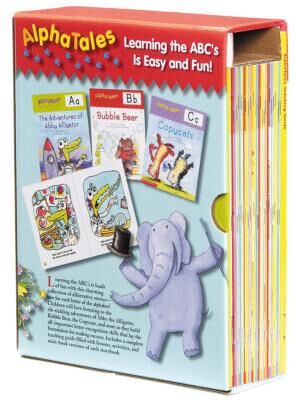
Scholastic Teaching Resources AlphaTales Box Set"A set of 26 irresistible animal storybooks that build phonemic awareness and teach each letter of the alphabet. Box set includes:- 26 full-color, 16-page 8"" x 10"" storybooks- 128-page teaching guide with lessons and mini-book versions of each..."74,99 $*Shipping: 0,00 $Secure redirect to the provider
-
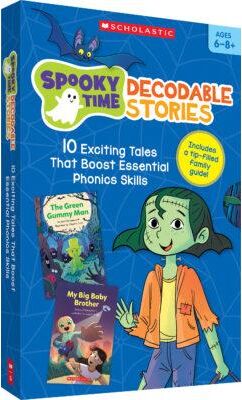
Scholastic Teaching Resources Spooky Time Decodable StoriesTime to take your child to the next level as a reader with this spooky set of humorous, highly decodable stories! Inside this box, you'll find 10 tales featuring 4-8 sentences per page and just-right text with words containing short and long vowels,...23,99 $*Shipping: 0,00 $Secure redirect to the provider
-
Scholastic Teaching Resources Scholastic Success With Grade 5 Value PackReinforce key skills with these exciting practice books!This set includes:Scholastic Success With Grade 5: Fractions & DecimalsScholastic Success With Grade 5: GrammarScholastic Success With Grade 5: MathScholastic Success With Grade 5: Math...41,59 $*Shipping: 0,00 $Secure redirect to the provider
-
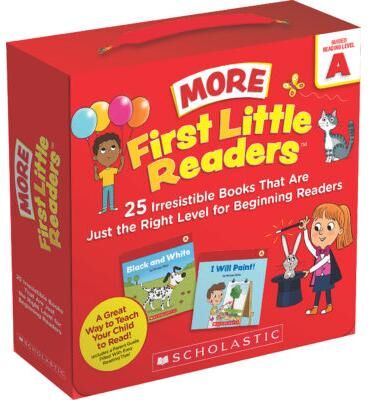
Scholastic Teaching Resources First Little Readers: MORE Guided Reading Level AIf you liked our bestselling First Little Readers Level A, you'll LOVE this brand-new set of adorable stories! Inside the little box, you'll find 25 kid-pleasing titles plus a tip-filled parent guide. Each book features simple text paired with...20,39 $*Shipping: 0,00 $Secure redirect to the provider

-
Do you prefer reading fan fiction or books?
As an AI language model, I don't have personal preferences. However, I can tell you that both fan fiction and books have their own unique appeal. Fan fiction allows fans to explore and expand upon existing worlds and characters, while books offer original stories and diverse genres. Ultimately, the preference between the two depends on individual interests and the desire for either familiar or new narratives. **
-
What literature recommendations are there for studying English teaching?
Some literature recommendations for studying English teaching include "Teaching English as a Second or Foreign Language" by Marianne Celce-Murcia and Sharon Myers, which provides a comprehensive overview of language teaching methods and approaches. "How Languages are Learned" by Patsy M. Lightbown and Nina Spada offers insights into second language acquisition theories and their implications for teaching. "The Practice of English Language Teaching" by Jeremy Harmer is a practical guide for English language teachers, covering various aspects of language teaching such as lesson planning, classroom management, and assessment. These books provide valuable insights and practical strategies for both new and experienced English language teachers. **
-
Why are more and more people reading non-fiction books?
More and more people are reading non-fiction books because they provide valuable information and knowledge on a wide range of topics. Non-fiction books offer readers the opportunity to learn new skills, gain insights into different perspectives, and stay informed about current events and trends. Additionally, many people find non-fiction books to be a source of inspiration and motivation for personal growth and development. The accessibility of non-fiction books through various formats such as e-books and audiobooks has also contributed to their increasing popularity among readers. **
-
Which poems are often used in 8th grade for teaching poetry?
In 8th grade, teachers often use a variety of poems to teach poetry, including classic works such as "The Road Not Taken" by Robert Frost, "The Raven" by Edgar Allan Poe, and "O Captain! My Captain!" by Walt Whitman. These poems are chosen for their rich language, vivid imagery, and thought-provoking themes, making them ideal for teaching students about poetic devices and literary analysis. Additionally, contemporary poems by authors such as Maya Angelou, Langston Hughes, and Shel Silverstein are also commonly used to expose students to a diverse range of poetic styles and voices. **

What is the course of study for teaching German language and literature?
The course of study for teaching German language and literature typically includes a combination of language acquisition, literature analysis, and pedagogical training. Students will study the German language at an advanced level, including grammar, vocabulary, and conversation skills. They will also explore German literature, from classic works to contemporary authors, and learn how to analyze and interpret texts. Additionally, they will receive training in teaching methods, classroom management, and curriculum development specific to teaching German language and literature. This comprehensive program prepares students to effectively teach German language and literature at various educational levels. **
Do you know any resources for young authors who would like to publish books?
Yes, there are several resources available for young authors who would like to publish books. Some options include Young Writers Society, a website and community for young writers to share their work and receive feedback; Young Adult Authors Alliance, an organization that provides support and resources for young authors; and Young Authors Guide, a website that offers tips and advice for young writers looking to publish their work. Additionally, many traditional publishing houses and literary agents have specific programs or opportunities for young authors. **
Top-Angebote
Products related to Scholastic-Teaching-Resources-Nonfiction:
-
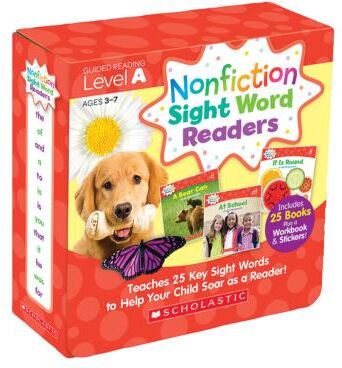
Scholastic Teaching Resources Nonfiction Sight Word Readers Parent Pack Level AParents can set the stage for their child to soar with these just-right books that teach the first 100 Fry sight words! Each box incParents can set the stage for their child to soar with these just-right books that teach the first 100 Fry sight...23,99 $*Shipping: 0,00 $Secure redirect to the provider
-
Scholastic Teaching Resources Non-Fiction Alphabet Readers Parent PackLearning the alphabet is fun with these easy-to-read books on kids' favorite topics from apples to zebras! Inside this sturdy little box, you'll find 26 photo-filled nonfiction titles that target and teach the shape and sound of each letter PLUS a...23,99 $*Shipping: 0,00 $Secure redirect to the provider
-
Scholastic Teaching Resources AlphaTales Box Set"A set of 26 irresistible animal storybooks that build phonemic awareness and teach each letter of the alphabet. Box set includes:- 26 full-color, 16-page 8"" x 10"" storybooks- 128-page teaching guide with lessons and mini-book versions of each..."74,99 $*Shipping: 0,00 $Secure redirect to the provider
-
Scholastic Teaching Resources Spooky Time Decodable StoriesTime to take your child to the next level as a reader with this spooky set of humorous, highly decodable stories! Inside this box, you'll find 10 tales featuring 4-8 sentences per page and just-right text with words containing short and long vowels,...23,99 $*Shipping: 0,00 $Secure redirect to the provider
-
How can one get colleges or universities to buy one's own nonfiction books?
One way to get colleges or universities to buy your nonfiction books is to establish yourself as an expert in your field through speaking engagements, articles, and other forms of public recognition. This can help build your credibility and make your books more appealing to academic institutions. Additionally, reaching out directly to professors, department heads, or librarians at colleges and universities and offering to provide copies of your book for review or consideration for course adoption can also be effective. Finally, working with a literary agent or publishing company that specializes in academic or nonfiction books can help you navigate the process of getting your books into college and university libraries and curriculums. **
-
Are non-fiction books literature?
Non-fiction books can be considered literature because they are written works that convey information, ideas, and perspectives in a creative and artistic way. While they may not be works of fiction, non-fiction books still require skillful writing, research, and storytelling to engage readers and provoke thought. Many non-fiction books are highly regarded for their literary merit and impact on society, making them an important part of the literary landscape. **
-
Do you prefer reading fan fiction or books?
As an AI language model, I don't have personal preferences. However, I can tell you that both fan fiction and books have their own unique appeal. Fan fiction allows fans to explore and expand upon existing worlds and characters, while books offer original stories and diverse genres. Ultimately, the preference between the two depends on individual interests and the desire for either familiar or new narratives. **
-
What literature recommendations are there for studying English teaching?
Some literature recommendations for studying English teaching include "Teaching English as a Second or Foreign Language" by Marianne Celce-Murcia and Sharon Myers, which provides a comprehensive overview of language teaching methods and approaches. "How Languages are Learned" by Patsy M. Lightbown and Nina Spada offers insights into second language acquisition theories and their implications for teaching. "The Practice of English Language Teaching" by Jeremy Harmer is a practical guide for English language teachers, covering various aspects of language teaching such as lesson planning, classroom management, and assessment. These books provide valuable insights and practical strategies for both new and experienced English language teachers. **
Similar search terms for Scholastic-Teaching-Resources-Nonfiction
-
Scholastic Teaching Resources Scholastic Success With Grade 5 Value PackReinforce key skills with these exciting practice books!This set includes:Scholastic Success With Grade 5: Fractions & DecimalsScholastic Success With Grade 5: GrammarScholastic Success With Grade 5: MathScholastic Success With Grade 5: Math...41,59 $*Shipping: 0,00 $Secure redirect to the provider
-
Scholastic Teaching Resources First Little Readers: MORE Guided Reading Level AIf you liked our bestselling First Little Readers Level A, you'll LOVE this brand-new set of adorable stories! Inside the little box, you'll find 25 kid-pleasing titles plus a tip-filled parent guide. Each book features simple text paired with...20,39 $*Shipping: 0,00 $Secure redirect to the provider
-
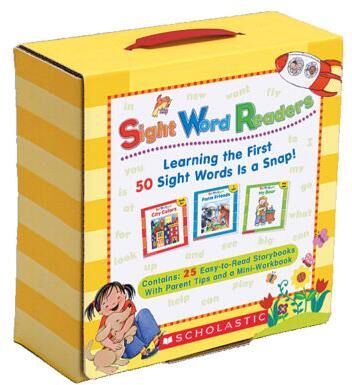
Scholastic Teaching Resources Sight Word Readers Parent PackHelp your child soar in reading with this set of 25 little books that teach 50 of the most frequently used words in print! Kids will love these playful stories they can read all by themselves. You'll love the fact that each one builds reading skills...23,99 $*Shipping: 0,00 $Secure redirect to the provider
-
Why are more and more people reading non-fiction books?
More and more people are reading non-fiction books because they provide valuable information and knowledge on a wide range of topics. Non-fiction books offer readers the opportunity to learn new skills, gain insights into different perspectives, and stay informed about current events and trends. Additionally, many people find non-fiction books to be a source of inspiration and motivation for personal growth and development. The accessibility of non-fiction books through various formats such as e-books and audiobooks has also contributed to their increasing popularity among readers. **
-
Which poems are often used in 8th grade for teaching poetry?
In 8th grade, teachers often use a variety of poems to teach poetry, including classic works such as "The Road Not Taken" by Robert Frost, "The Raven" by Edgar Allan Poe, and "O Captain! My Captain!" by Walt Whitman. These poems are chosen for their rich language, vivid imagery, and thought-provoking themes, making them ideal for teaching students about poetic devices and literary analysis. Additionally, contemporary poems by authors such as Maya Angelou, Langston Hughes, and Shel Silverstein are also commonly used to expose students to a diverse range of poetic styles and voices. **
-
What is the course of study for teaching German language and literature?
The course of study for teaching German language and literature typically includes a combination of language acquisition, literature analysis, and pedagogical training. Students will study the German language at an advanced level, including grammar, vocabulary, and conversation skills. They will also explore German literature, from classic works to contemporary authors, and learn how to analyze and interpret texts. Additionally, they will receive training in teaching methods, classroom management, and curriculum development specific to teaching German language and literature. This comprehensive program prepares students to effectively teach German language and literature at various educational levels. **
-
Do you know any resources for young authors who would like to publish books?
Yes, there are several resources available for young authors who would like to publish books. Some options include Young Writers Society, a website and community for young writers to share their work and receive feedback; Young Adult Authors Alliance, an organization that provides support and resources for young authors; and Young Authors Guide, a website that offers tips and advice for young writers looking to publish their work. Additionally, many traditional publishing houses and literary agents have specific programs or opportunities for young authors. **
* All prices are inclusive of VAT and, if applicable, plus shipping costs. The offer information is based on the details provided by the respective shop and is updated through automated processes. Real-time updates do not occur, so deviations can occur in individual cases. ** Note: Parts of this content were created by AI.